



Content Summary
Access this content
Choose an option below
Your content has been opened.
Register to access this content
Verify your email to access this content
Code sent. Enter it in the modal
Your content has been opened.
Why do I need to verify I’m human?
Please verify you are a human before opening this content.
Your content has been opened.
The content will open in a new window. You may need to allow popups for this site.
Check your inbox
The Pipeline Operator's Annual Compliance Calendar has been emailed to . Entered the wrong email?
Don't see the content in your inbox?
Make sure to check your spam and other messages folders.
Can't get to your email right now?
By accessing content on the SHRM Human Resource Vendor Directory you agree to our Terms of Service and Privacy Policy; and, you acknowledge that your information may be shared with the content publisher.
You might also be interested in
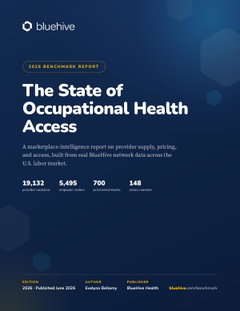
The State of Occupational Health Access 2026: What 19,132 Provider Locations Reveal About Exam Pricing, Speed, and Coverage
How much should a DOT physical cost? How fast should a drug screen get scheduled? This benchmark report answers with real marketplace data, not survey estimates: 19,132 provider...
Read More
Scheduled is Not Cleared: The Hidden Delays Between Clinic Visit and Workforce Readiness
Scheduled Is Not Cleared explains why occupational health compliance often slows down after an appointment is scheduled, not before. The whitepaper shows that employees are not...
Read More
Clinic Access is the New Completion Bottleneck
Compliance does not usually fall apart because HR forgot the rules. It slows down when the process gets stuck in the real world. An employee needs a drug screen, physical,...
Read More









