


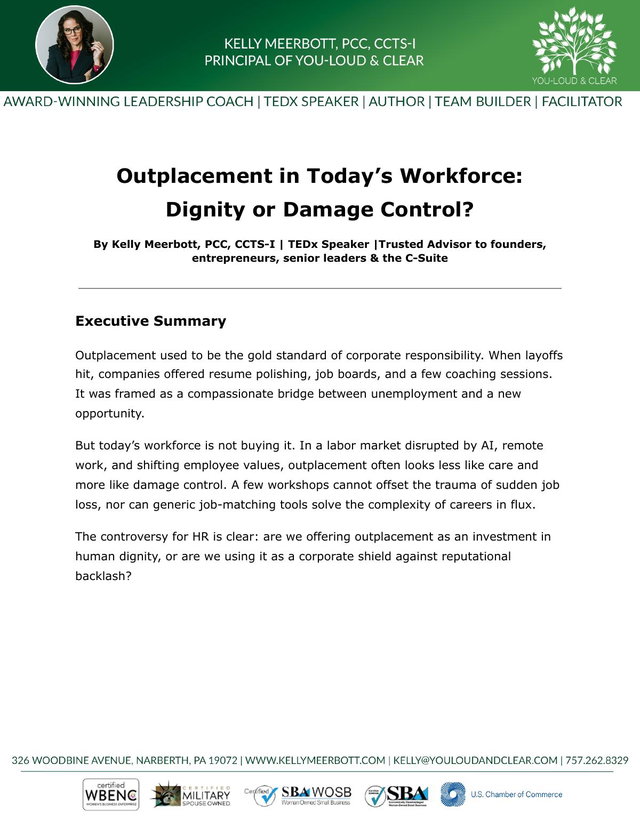
Content Summary
Outplacement once symbolized corporate compassion — a bridge for employees transitioning after layoffs. But in today’s volatile workforce, traditional outplacement often feels less like genuine care and more like damage control.
Generic resume workshops and job boards cannot meet the complex realities of a labor market reshaped by AI, remote work, and shifting employee values. For many, job loss is not just an economic event but a rupture of identity and dignity. Outplacement that treats this trauma as a checkbox erodes trust and damages employer brands rather than protecting them.
To remain relevant, outplacement must evolve. It must move beyond optics to outcomes: holistic support for emotional recovery, robust reskilling opportunities, personalized coaching, equitable access for all employees, and transparent communication rooted in humanity.
The provocative question for HR is clear: are we offering outplacement as a true lifeline, or merely as a corporate fig leaf? The future of HR depends on whether we choose dignity over damage control.
Access this content
Choose an option below
Your content has been opened.
Register to access this content
Verify your email to access this content
Code sent. Enter it in the modal
Your content has been opened.
Why do I need to verify I’m human?
Please verify you are a human before opening this content.
Your content has been opened.
The content will open in a new window. You may need to allow popups for this site.
Check your inbox
Outplacement in Today’s Workforce: Dignity or Damage Control has been emailed to . Entered the wrong email?
Don't see the content in your inbox?
Make sure to check your spam and other messages folders.
Can't get to your email right now?
By accessing content on the SHRM Human Resource Vendor Directory you agree to our Terms of Service and Privacy Policy; and, you acknowledge that your information may be shared with the content publisher.
You might also be interested in
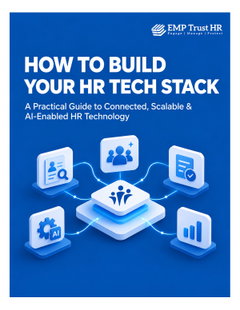
HOW TO BUILD YOUR HR TECH STACK
How to Build Your HR Tech Stack is a practical guide for HR leaders looking to create a more connected, scalable, and AI-enabled HR technology ecosystem. It outlines a simple...
Read More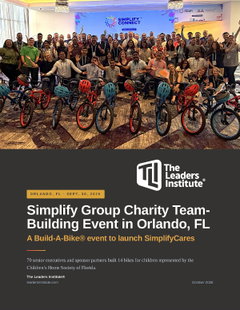
Simplify Group Builds 14 Bikes for Kids at Its Annual Customer Conference
Charity team-building case study for a corporate conference. Simplify Group opened its annual customer conference in Orlando with a Build-A-Bike® team-building event from The...
Read More
The State of Employee Leave: Sparrow’s Benchmark Report (2026 Edition)
For the 2026 edition of our annual benchmark report, Sparrow analyzed more than 3,000,000 days of leave and their associated policies. We collected detailed information on policy...
Read More









