



Content Summary
A recent article from HR Dive highlights a shift that should get every benefits leader’s attention:
26% of workers are skipping needed care due to cost
22% are reducing or stopping medications
68% are turning to the internet for medical advice (27% using AI)
At the same time, many employees are doubling down on wellness—focusing on nutrition, exercise, and mindfulness to stay ahead of costly care
This is where the preventive health conversation gets real.
When employees delay care, conditions worsen.
When conditions worsen, costs spike.
It’s a cycle—and most traditional benefits are built to react to it, not prevent it.
The takeaway?
Preventive health benefits are no longer “nice to have.” They’re a cost-containment strategy.
Forward-thinking organizations are starting to:
Invest in early detection (screenings, proactive care)
Simplify access to care and navigation
Encourage everyday health behaviors—not just treat illness
Because the data is clear:
Delaying care today leads to higher claims tomorrow
Employees are already taking health into their own hands—sometimes without guidance.
Are we giving them the right tools early enough to actually change outcomes?
Access this content
Choose an option below
Your content has been opened.
Register to access this content
Verify your email to access this content
Code sent. Enter it in the modal
Your content has been opened.
Why do I need to verify I’m human?
Please verify you are a human before opening this content.
Your content has been opened.
The content will open in a new window. You may need to allow popups for this site.
Check your inbox
The Shift from Reactive Care to Preventative Care has been emailed to . Entered the wrong email?
Don't see the content in your inbox?
Make sure to check your spam and other messages folders.
Can't get to your email right now?
By accessing content on the SHRM Human Resource Vendor Directory you agree to our Terms of Service and Privacy Policy; and, you acknowledge that your information may be shared with the content publisher.
You might also be interested in
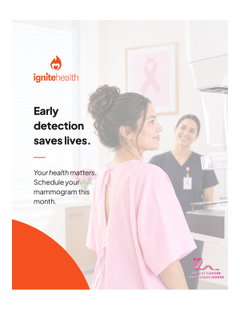
Early Detection Starts With You
October is Breast Cancer Awareness Month. This month, we’re highlighting the importance of prevention, early detection, and prioritizing women’s health. Learn more about the...
Read More
Stay Protected. Stay Healthy. Stay Proactive.
August is National Immunization Awareness Month! Learn how staying up to date on recommended vaccines can help prevent serious illness, protect those around you, and support your...
Read More
Soak Up the Sun, Not the Risk
Summer is the perfect time to prioritize your skin health. Discover simple ways to stay protected, take advantage of your preventive benefits, and remember—sunscreen (SPF 15+) is...
Read More









